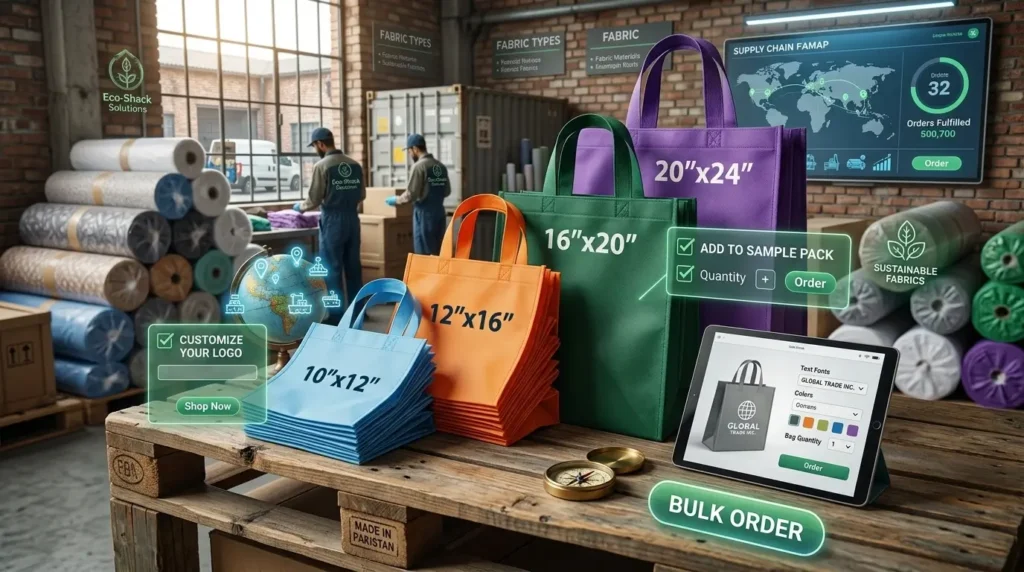
Non woven bags have become one of the most popular eco-friendly packaging solutions worldwide. As governments and businesses move away from single-use plastic bags, reusable non woven bags have emerged as a durable, cost-effective, and environmentally responsible alternative.
From supermarkets and clothing stores to pharmacies, gift shops, exhibitions, and promotional events, non woven bags are now widely used across Pakistan because of their strength, attractive appearance, and customization options.
In this complete guide, you’ll learn what non woven bags are, how they are manufactured, their different types, benefits, common applications, and how to choose the right bag for your business.
Non woven bags are reusable shopping bags manufactured from polypropylene (PP) non woven fabric. Unlike traditional woven fabrics, these materials are produced by bonding fibers together using heat, pressure, or chemical processes instead of weaving or knitting threads.
This manufacturing process creates a lightweight yet durable fabric that is suitable for carrying groceries, clothing, gifts, promotional materials, and many other products.
Because they can be reused many times, non woven bags help reduce dependence on single-use plastic bags and support sustainable packaging initiatives.
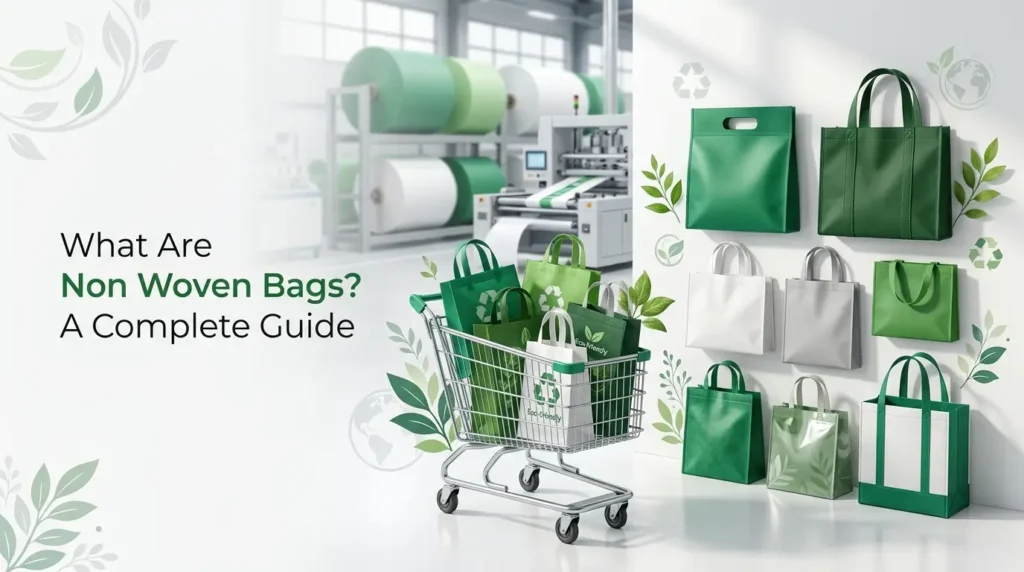
The manufacturing process involves several stages.
Polypropylene resin is melted into extremely fine fibers.
The fibers are bonded together using heat and pressure to create a strong non woven fabric.
Large rolls of fabric are cut according to the required bag dimensions.
Custom logos, brand names, and promotional designs are printed using screen printing, flexographic printing, or offset printing.
Depending on the bag style, the panels are stitched or ultrasonically sealed to ensure durability.
Every bag is checked for strength, print quality, and finishing before packaging.
Different businesses require different bag styles. Some of the most popular options include:
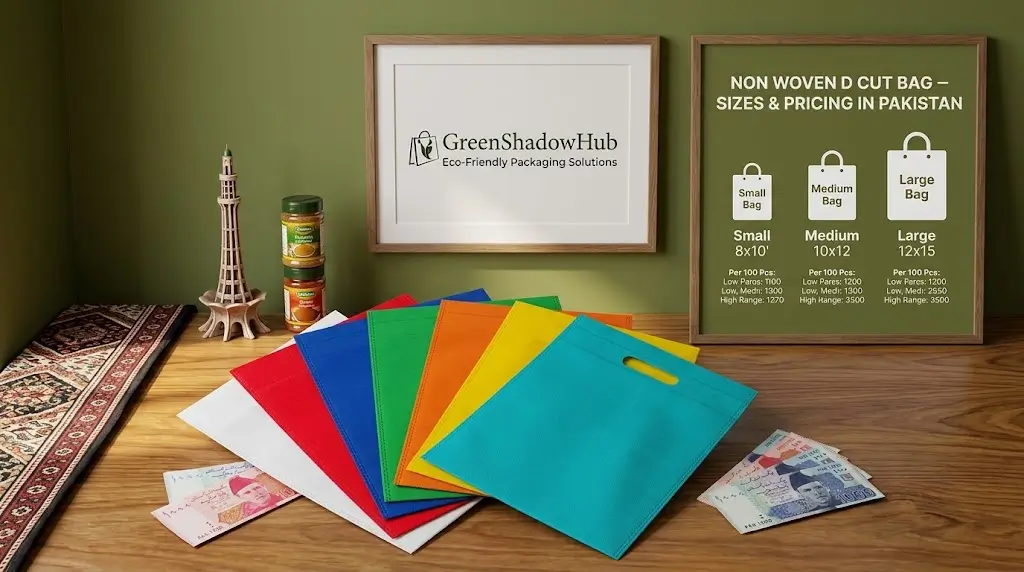
These bags feature a die-cut handle and are commonly used by retail stores, pharmacies, and exhibitions.
Designed with reinforced side folds, W Cut bags provide additional capacity and are ideal for shopping.
Loop handle bags offer greater comfort and a premium appearance, making them suitable for boutiques and branded stores.
These bags have a structured base, making them ideal for grocery stores and heavy products.
A laminated surface provides better durability, water resistance, and high-quality print finishes.
Businesses around the world prefer non woven bags because they offer numerous advantages.
Reusable bags help reduce plastic waste and encourage sustainable shopping habits.
High-quality non woven fabric can carry significantly more weight than disposable plastic bags.
Bulk production makes non woven bags an affordable packaging solution for businesses.
Businesses can print logos, slogans, contact details, and promotional artwork directly onto the bags.
Despite their strength, non woven bags remain lightweight and easy to carry.
Customers often reuse these bags multiple times, increasing brand visibility long after purchase.
Non woven bags are suitable for many industries.
| Feature | Non Woven Bags | Plastic Bags |
|---|---|---|
| Reusable | ✔ Yes | Limited |
| Strength | High | Low |
| Branding | Excellent | Basic |
| Appearance | Premium | Standard |
| Eco-Friendly Use | Better for repeated use | Single-use in many cases |
| Business Image | Professional | Less premium |
When selecting a non woven bag, consider the following factors:
Choosing the correct specifications ensures durability while keeping packaging costs under control.
Businesses increasingly choose non woven bags because they combine practicality with branding opportunities. Every reusable bag acts as a mobile advertisement, helping companies increase brand visibility while offering customers a functional product.
For retailers, wholesalers, supermarkets, and promotional campaigns, non woven bags provide long-term marketing value at a relatively low cost.
Demand for non woven bags continues to grow in Pakistan as businesses seek reusable packaging solutions that align with changing customer preferences and environmental awareness.
Manufacturers now offer custom sizes, printed designs, and bulk production to serve industries ranging from retail and fashion to food service and healthcare.
Most non woven bags are manufactured from polypropylene (PP) fibers bonded together through heat and pressure.
Yes. They are designed to be reused multiple times when handled properly.
Standard non woven bags offer some resistance to moisture, while laminated non woven bags provide greater protection against water.
Yes. Businesses can customize colors, sizes, handles, GSM, and printed branding according to their requirements.
Retail stores, supermarkets, clothing brands, hospitals, bakeries, pharmacies, event organizers, and many other businesses use non woven bags.
Non woven bags have become an essential packaging solution for modern businesses because they combine durability, affordability, and excellent branding opportunities. Their reusable nature makes them a practical alternative to single-use packaging, while customizable designs help businesses strengthen their brand identity.
Whether you operate a retail store, supermarket, clothing brand, or promotional business, selecting the right non woven bag can improve customer experience and support more sustainable packaging practices.