
I watched a shopkeeper in Anarkali unwrap a customer’s return last winter a ceramic mug set, cracked clean through, sitting inside a cardboard box that had clearly been reused from a shoe delivery. The bubble wrap was there, but it was two thin layers wrapped around nothing in particular. The customer wasn’t angry. She was just done. She asked for her money back, walked out, and left a two-line review that probably cost him ten more sales that month.
That’s the thing about packaging. Nobody notices it when it works. Everyone notices when it doesn’t.
In Pakistan, where e-commerce has exploded through Daraz, Instagram shops, and WhatsApp orders but courier handling still ranges from careful to genuinely reckless, packaging isn’t decoration. It’s risk management. And most small business owners I’ve talked to from a home baker in Lahore to a hardware distributor in Faisalabad treat it as an afterthought until something breaks.
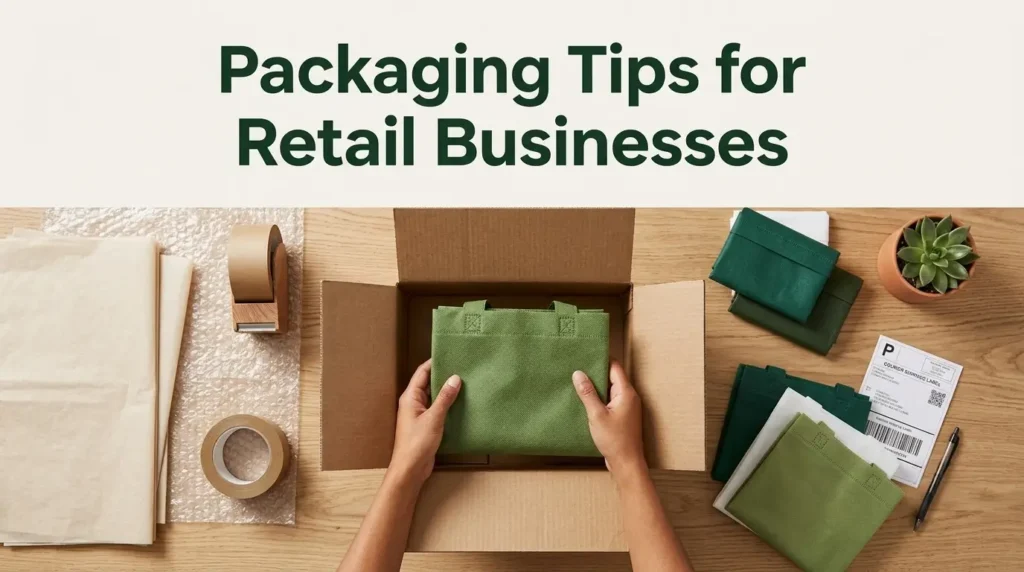
Here’s what people get wrong from the start: they think packaging tips for retail businesses are mostly about branding nice colors, a logo sticker, maybe some tissue paper. That stuff matters, sure. But the real function of packaging is protection first, presentation second. If the product arrives broken, it doesn’t matter how pretty the box was.
Ask any TCS or Leopards rider what happens to parcels during peak season Eid, 11.11, the last week before a wedding season rush and they’ll tell you straight: boxes get stacked, thrown, and squeezed into bikes that were never meant to carry that much volume. If your packaging can’t survive that reality, you’re not selling a product. You’re selling a refund request.
There’s a specific set of pressures here that a lot of generic advice usually written for markets with reliable last-mile delivery just doesn’t account for.
First, return and replacement costs eat into margins fast, especially for small sellers running on thin profit already. A single damaged shipment on a rupees 1,500 order can wipe out the profit from three or four successful ones once you factor in the replacement, the reverse courier fee, and the customer service back-and-forth.
Second, trust online is fragile. A buyer in Karachi ordering from a seller in Gujranwala has no way to inspect the product before it ships. The packaging is doing all the talking it’s the first physical thing they touch from your brand, and first impressions form fast. Torn tape, a crushed corner, a smell of damp cardboard any of that undoes weeks of good marketing in about four seconds.
And third, summer heat and monsoon humidity genuinely change what packaging materials can survive in transit, something a lot of sellers importing generic packaging tips from Western blogs simply don’t plan for.
I get it a box is a box, and buying fresh cartons for every order feels like an unnecessary expense when you’re trying to protect a 20% margin. But a box that’s already been crushed once has lost most of its structural strength. Corrugated cardboard works because of the fluting inside; once that’s compressed, it won’t spring back. You’re not saving money, you’re just moving the cost from “packaging supplies” to “replacement product.”
Sellers often use one thin strip of tape across the top flap and call it sealed. That’s not sealing, that’s suggesting. Proper sealing uses the H-taping method across the center seam and both edge seams because a single strip gives way under stacking pressure within hours.
Everyone bubble-wraps the glassware. Fewer people think about the phone case that can scratch, the makeup palette that can crack from a corner drop, or the leather wallet that can bend out of shape if it’s loose inside an oversized box. If there’s empty space in the box, something is going to move around inside it during a 6-hour delivery route.
Standard kraft paper packaging that looks great in a showroom photo can soften and tear in monsoon-season Karachi humidity. If you’re shipping nationwide, your packaging needs to survive Lahore’s dry heat in June and Karachi’s coastal moisture in August not just the studio lighting of your product photo.
This is where most articles get vague, so let’s not do that.
A basic 3-ply corrugated box in Pakistan typically runs somewhere between Rs. 15 to Rs. 60 depending on size, bought in bulk from a local packaging supplier rather than retail. Bubble wrap runs roughly Rs. 150–300 per meter depending on thickness and where you’re buying it Karachi’s wholesale packaging markets in Saddar tend to run cheaper than ordering small quantities online.
Custom branded boxes with your logo printed the kind that actually build brand recall start around Rs. 40–80 per unit for basic single-color printing in bulk orders of 500 or more, and climb from there depending on box thickness, finish, and whether you’re doing full-color printing.
Tape, filler paper, thank-you cards, and poly mailers for smaller items add another Rs. 10–40 per order on average.
So realistically, for a small business shipping 100 orders a month, decent protective packaging nothing fancy, just genuinely functional adds somewhere between Rs. 3,000 to Rs. 8,000 in monthly cost. Compare that to the cost of even five damaged-in-transit replacements a month, which for mid-priced products can easily run Rs. 10,000–15,000 once you count the product cost, reverse logistics, and the customer you’ve probably lost for good. The math isn’t close.
Before an order leaves your shop or warehouse, run through this:
Print this, tape it to the packing station, and actually use it most damage isn’t from bad luck, it’s from skipping step 2 or 3 under time pressure.
That shopkeeper in Anarkali eventually switched suppliers, started double-boxing anything ceramic, and hasn’t had a breakage complaint since he told me that himself, a little sheepishly, like he wished he’d done it two years earlier. That’s usually how it goes. Nobody fixes packaging until it costs them a customer they actually liked.
Your packaging is the last thing you control before your product becomes someone else’s problem the courier, the weather, the six other parcels stacked on top of it in a delivery bag. Get it right, and it’s invisible. Get it wrong, and it’s the only thing anyone remembers about the order.
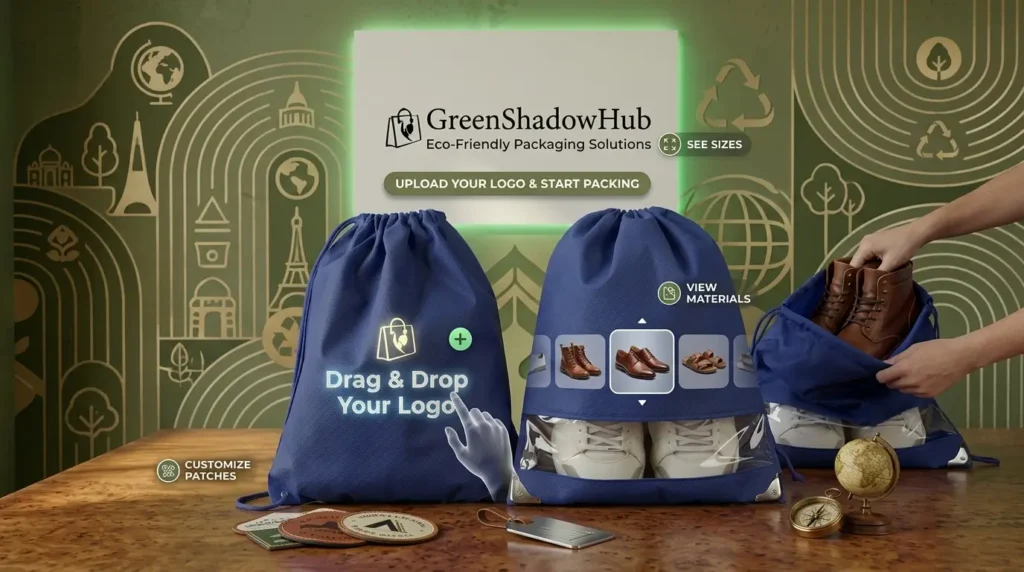
If you’re building out your packaging setup and want materials or guidance suited to how goods actually move through Pakistan’s delivery networks, GreenShadowHub is worth a look before your next bulk order.


WhatsApp us