
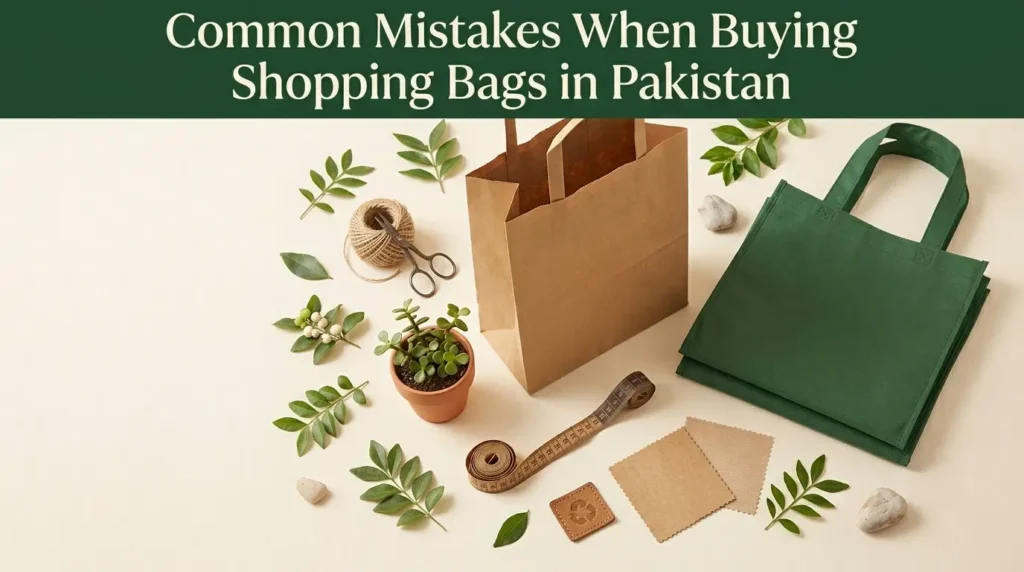
Pakistani retail runs on relationships and appearances in a way that a lot of Western retail advice doesn’t account for. A customer walking out of a shop in Lahore or Karachi carrying a flimsy, half-torn bag isn’t just annoyed they’re broadcasting something about your business to everyone who sees them on the street, in the rickshaw, at the next store.
There’s also the plastic bag ban situation, which varies by province and honestly gets enforced inconsistently, but it’s tightening. Punjab has pushed restrictions on thin plastic bags for a few years now, and Islamabad has followed with its own rules. Businesses that haven’t shifted to compliant alternatives are finding themselves either fined or scrambling last-minute for a supplier, paying rush pricing that’s sometimes 30-40% above normal rates.
And then there’s the branding angle, which most small business owners undervalue completely. A well-printed bag with your logo, used consistently, becomes free advertising walking around the city. A large retail chain I worked with in Karachi tracked this informally stores using branded, sturdy bags saw a noticeable uptick in “I saw someone carrying your bag” foot traffic mentions during customer surveys. It’s not scientific, but it’s not nothing either.
This is the big one. Owners compare Rs. 6 versus Rs. 9 per bag and go with the cheaper option without asking what “cheap” actually means in terms of GSM (grams per square meter, which tells you the paper or fabric thickness). A bag rated at 80 GSM feels fine empty but sags and tears under actual weight clothes, shoes, anything over half a kilo. You end up needing double bags per customer, which erases the savings and then some.
A jewelry shop and a grocery store have completely different needs, but plenty of suppliers push the same generic bag to everyone because it’s what they have in stock. Sharp-edged boxes need reinforced bottoms or gusseted sides. Wet or oily items think bakery goods, meat, cosmetics with leaky packaging need a laminated or coated interior, otherwise the bag stains, weakens, and occasionally rips at checkout in front of the customer. That’s an embarrassing moment nobody plans for.
This sounds obvious, but I’d guess less than a third of small business owners actually load-test a bag before committing to an order of a few thousand units. They see a sample bag, it looks sturdy in hand, and they place the order. What they don’t do is fill it with the actual product weight and walk around the shop with it for a few minutes. Handles fray. Bottoms stretch. Seams that looked fine under a showroom light give out under real conditions.
Local printers and manufacturers in Pakistan often quote 10-15 day turnaround for custom printed bags, but that assumes no design revisions and no supply hiccups on the paper or fabric side. Owners place orders two weeks before a big sale Eid, a seasonal clearance, a store opening and then discover the supplier needs 20 days minimum for a printed batch under 5,000 units. Rush orders exist, but they cost more, sometimes significantly more, and quality control tends to slip when everyone’s rushing.
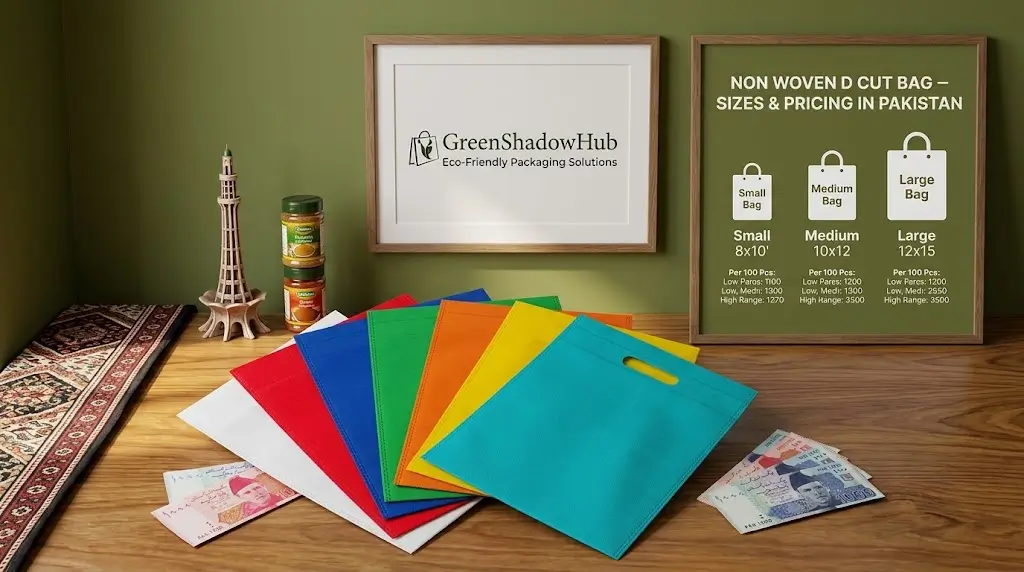
Pricing shifts constantly with paper and cotton rates, but here’s roughly where things sit as of recent supplier quotes across Lahore, Karachi, and Faisalabad:
The mistake most owners make with these numbers is comparing only the unit price and skipping the “cost per successful use” meaning, how many bags you actually go through per customer once torn or doubled-up bags are accounted for. A slightly pricier bag that survives one use per customer is almost always cheaper over a month than a bargain bag that fails 15-20% of the time.
Before you sign off on a bulk order, run through this:
Every business owner spends weeks obsessing over shop interiors, signage, staff uniforms and then treats the shopping bag like packaging tape, something functional and forgettable. It’s the opposite. It’s the one branded object that leaves your store and travels through the city on someone else’s arm. Get it wrong, and it’s a torn handle and an awkward moment at checkout. Get it right, and it’s quiet advertising you never have to pay a rupee extra for.
The shopkeeper in Anarkali eventually switched suppliers, paid about 40% more per bag, and stopped hearing “double bag please” within a month. He still brings it up when I run into him, mostly as a warning to anyone thinking about cutting corners on something this small.
If you’re weighing your options and want bags that are actually built for what you sell sturdy, compliant, and printed the way you pictured them GreenShadowHub is worth a conversation before you place your next bulk order.
WhatsApp us