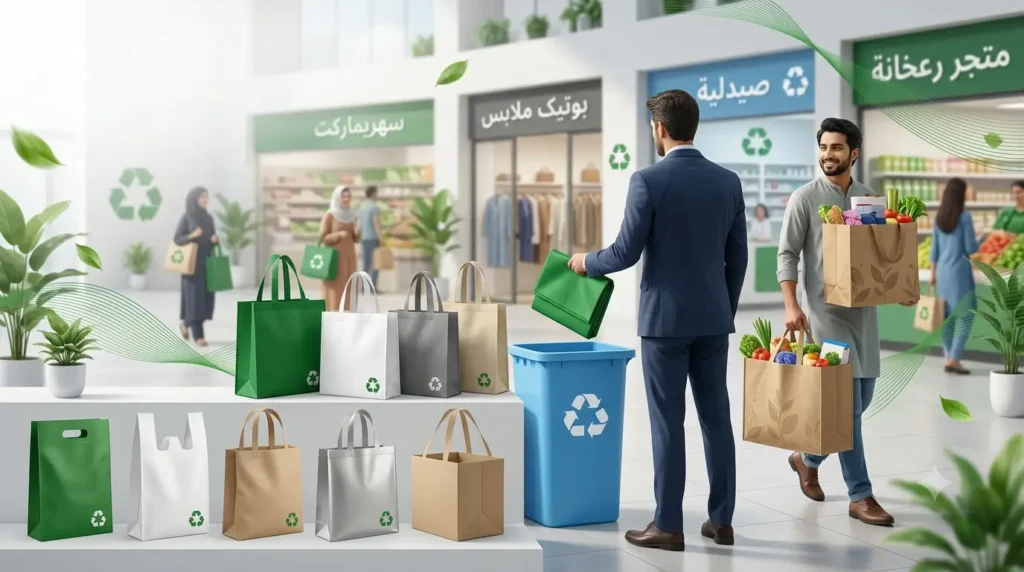
As businesses and consumers look for more practical packaging solutions, non woven bags have become a popular alternative for shopping, retail, and promotional use. They are lightweight, durable, reusable, and available in a variety of styles.
One question buyers frequently ask is:
Are non woven bags recyclable?
The simple answer is yes—most non woven bags made from polypropylene (PP) can be recycled through appropriate recycling systems where those facilities are available.
However, recycling depends on several factors, including the type of material, local recycling programs, and the condition of the bag after use.
In this guide, we’ll explain how non woven bags are made, whether they can be recycled, how to dispose of them responsibly, and why they continue to be a practical packaging choice for businesses.
Non woven shopping bags are commonly manufactured from polypropylene (PP), a durable plastic polymer.
Unlike woven fabrics, non woven material is created by bonding polypropylene fibers together using heat and pressure instead of weaving them.
This process produces a fabric that is:
If you’re new to this material, read our What Are Non Woven Bags? A Complete Guide to understand how these bags are manufactured and where they are commonly used.
Yes, most polypropylene (PP) non woven bags are recyclable, provided there are suitable recycling facilities that accept this type of plastic.
Polypropylene is widely used in many consumer products because it can be collected, processed, and turned into new plastic products through appropriate recycling systems.
However, recycling availability varies by city and country, so it’s always a good idea to check with your local recycling program before disposing of used bags.
This is an important distinction.
A product may be technically recyclable, but that does not guarantee it will be recycled.
Whether a non woven bag is actually recycled depends on:
For this reason, reusing a non woven bag multiple times before recycling it is generally the most practical approach.
One of the biggest advantages of non woven bags is that they are designed for repeated use.
Instead of using a new disposable bag every time you shop, the same non woven bag can often be used again and again.
This provides several benefits:
For retailers, reusable bags also become a practical marketing tool because customers continue carrying branded bags long after the initial purchase.
When accepted by an appropriate recycling facility, polypropylene non woven bags generally go through several stages.
Used bags are collected through local recycling programs.
Materials are separated by plastic type.
The bags are cleaned to remove dirt, labels, or other contaminants.
The material is cut into small plastic flakes.
The flakes are melted and converted into plastic pellets.
The recycled polypropylene may be used to produce new plastic products, depending on the recycling process and manufacturer.
Many businesses use laminated non woven bags because they provide:
Some laminated bags may require additional processing during recycling because of the extra coating.
Whether they are accepted depends on local recycling facilities and their processing capabilities.
If your business plans to use laminated bags, it’s helpful to understand the recycling options available in your area.
If recycling facilities accept polypropylene bags in your region, consider these simple steps:
Remove food residue, dirt, or other contaminants before recycling.
If possible, remove accessories or mixed materials that are not accepted by local recycling programs.
Different municipalities have different recycling requirements, so always check local instructions before placing bags in recycling bins.
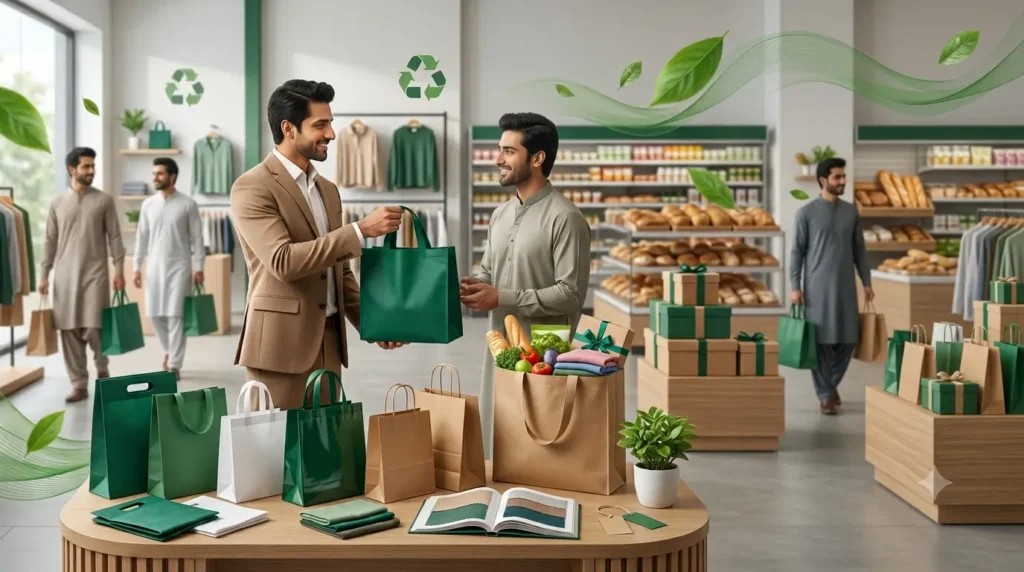
Businesses can help customers get more value from their shopping bags by encouraging responsible use.
Simple ideas include:
Well-designed shopping bags often stay in use for months or even years.
Businesses across Pakistan continue choosing non woven bags because they offer an excellent balance of practicality, durability, and branding opportunities.
Common advantages include:
Designed for repeated everyday use.
Ideal for logos, branding, and promotional messages.
Enhances the customer experience.
Suitable for retailers and wholesale businesses.
Including:
Each style serves different packaging needs while maintaining a professional look.
Fact: Most polypropylene non woven bags can be recycled where suitable recycling facilities exist.
Fact: A bag can be reusable, recyclable, or both. Reusability refers to using the same bag multiple times, while recyclability refers to whether the material can be processed into new products.
Fact: Recycling programs differ by location, so acceptance depends on local facilities and guidelines.
Non woven bags are a practical packaging solution that combines durability, reusability, and professional branding. Most are made from polypropylene (PP), which is recyclable through suitable recycling systems where those facilities are available.
While recycling options vary by location, reusing non woven bags as many times as possible before recycling them is often the most effective way to extend their useful life.
For businesses, investing in quality non woven bags not only improves the customer experience but also creates lasting brand visibility through reusable packaging.